Understanding French Size Numbers
French pants sizes use numeric values (e․g․, 36–54) that correspond to waist measurements in centimeters․ A 36 equals roughly 60 cm waist, while 42 matches 70 cm․ Conversion to US or EU is simple: multiply the waist by 2․54 to get inches, then match standard US sizes․ Use the chart for accurate fit now․!

Key Waist Measurements
French waist sizes 36–54 correspond to waist circumferences in centimeters: 36=60 cm, 38=62 cm, 40=64 cm, 42=66 cm, 44=68 cm, 46=70 cm, 48=72 cm, 50=74 cm, 52=76 cm, 54=78 cm․ Multiply by 0․3937 to convert to inches for international sizing․ Use this chart to find your best fit before shopping online
Measuring the Waist
To determine the correct French size for a pair of women’s pants, start by measuring your natural waist․ Stand upright, breathe normally, and locate the narrowest part of your torso, usually just above the belly button․ Using a soft measuring tape, wrap it around this point, ensuring the tape lies flat against the skin without compressing the fabric; Record the measurement in centimeters․ For example, a waist of 60 cm corresponds to a French size 36, while 70 cm matches size 42․ If you prefer inches, convert by dividing the centimeter value by 2․54; a 60 cm waist is about 23․6 in, which aligns with a US size 23․ Keep the tape snug but not tight, and repeat the measurement twice to confirm accuracy․ Once you have the waist figure, consult the standard French size chart: 36 = 60 cm, 38 = 62 cm, 40 = 64 cm, 42 = 66 cm, 44 = 68 cm, 46 = 70 cm, 48 = 72 cm, 50 = 74 cm, 52 = 76 cm, 54 = 78 cm․ This method ensures you select a size that fits comfortably around the waist, providing a reliable basis for choosing the right pants in French sizing․ For high‑waisted styles, add an extra 2–3 cm to your measured waist to accommodate the rise․ If you wear a belt, measure the waist without the belt, then add the belt’s width to the final size․ Some brands use a slightly higher waist measurement for a more relaxed fit; in that case, add 1–2 cm to your reading before selecting the size․ Finally, double-check the brand’s individual size chart, as variations exist between manufacturers, and adjust your selection accordingly to avoid a too‑tight or too‑loose fit․ Adjust for fabric stretch when choosing․

Hip and Inseam Measurements
Hip measurements guide French women’s pants: take the widest part of the hips, usually around the buttocks․ Inseam is measured from the crotch seam to the hem․ Typical French sizes (36–54) pair with hip ranges 86–110 cm and inseams 80–105 cm for a perfect fit․ Use these measurements to pick the fityes․
Measuring the Hip
When measuring the hip for a women’s pant, start by standing straight with your feet together․ Locate the widest part of your hips, usually just below the belly button․ Place a flexible measuring tape around this area, ensuring it sits snugly but not tight․ Keep the tape level horizontally, parallel to the floor․ Record the measurement in centimeters; this figure will directly correspond to the French numeric size in most European charts․ For instance, a 90 cm hip typically aligns with a size 40, while 94 cm matches a size 42․ If you’re comparing to US or UK sizes, remember that a 90 cm hip is roughly 35․4 inches, which falls into a US 4–5 range․ Always double‑check by measuring twice to avoid errors․ Some brands offer a “hip‑to‑waist” ratio; if your hip is significantly larger than your waist, you may need a relaxed or “plus‑size” cut․ Finally, consult the specific retailer’s size chart, as construction and cut can shift the ideal hip measurement by a centimeter or two․ Happy shopping!
When using a size chart, always compare your hip measurement to the chart’s hip column․ Some brands list waist and hip; if your hip is larger, choose a higher size even if the waist matches․ For curvy figures, a “curvy” cut often offers better fit․ Additionally, consider the fabric’s stretch: cotton blends with 5–10% elastane allow a bit of give, so a down might still fit comfortably․ If the fabric is 100% cotton, you may need to stay at your measured size or up one․ Always check the brand’s return policy before ordering․ Ok!!
Measuring the Inseam
When selecting women’s pants, the inseam is a key dimension that determines how the garment will fall on your legs․ To measure accurately, follow these steps:
- Lay a pair of well‑fitted trousers on a flat, hard surface․
- Place a flexible measuring tape at the crotch seam, where the front and back panels meet․
- Run the tape straight down the leg, keeping it snug against the inside of the thigh, until it reaches the hem․
- Read the measurement in centimeters; this is your inseam length․
For those who use inches, simply divide the centimeter value by 2․54․ If you have a slight asymmetry, measure both legs and use the longer value to ensure a comfortable fit․ Many online retailers list inseam ranges (e․g․, 80–85 cm) to accommodate various styles․ A shorter inseam can cause pants to bunch at the ankles, while a longer inseam may leave excess fabric that drapes poorly․ Adjustments can be made by a tailor or with a hem extension kit, but it’s best to get the measurement right the first time․
When comparing your inseam to a brand’s size chart, look for the exact match or the nearest size․ Some brands offer a “mid‑inseam” option, which is ideal for average leg lengths․ If you’re between sizes, consider the intended use: a casual pair may allow a bit more slack, whereas tailored trousers require precision․ Always double‑check the measurement before finalizing a purchase to avoid returns and ensure a polished look․ 8cm fit — perfect fit․!!

International Size Conversion

Convert French sizes to US or UK by using standard tables: French 36 ≈ US 4, UK 4; French 42 ≈ US 10, UK 10․ Multiply waist in cm by 0․3937 to get inches, then match US/UK charts․ Always double‑check with brand guides for precise fit․ Use the chart for exact matching; brands may shift sizes slightly․!!
US to EU Conversion
When shopping for women’s trousers in France, you’ll often encounter French numeric sizes (36, 38, 40, 42, 44, 46, 48, 50, 52, 54)․ These numbers represent the waist circumference in centimeters․ To convert a U․S․ size to its European counterpart, first determine the U․S․ waist in inches, then multiply by 2․54 to obtain the waist in centimeters․ For example, a U․S․ size 8 typically has a waist of about 28 inches; 28 × 2․54 = 71․12 cm, which corresponds to a French size 42․ A U․S․ 10 (30 inches) converts to 76․2 cm, matching a French 44․ A U․S․ 12 (32 inches) gives 81․28 cm, aligning with a French 46․ A U․S․ 14 (34 inches) yields 86․36 cm, which is a French 48․ A U․S․ 16 (36 inches) results in 91․44 cm, equating to a French 50․ A U․S․ 18 (38 inches) produces 96․52 cm, corresponding to a French 52․ Finally, a U․S․ 20 (40 inches) converts to 101․6 cm, aligning with a French 54․ Always double‑check the waist measurement in centimeters on the product page, as some brands may use slightly different standards․ When in doubt, measure your own waist in centimeters and match it to the nearest French size on the brand’s chart․ This method ensures a more accurate fit across international styles․ Remember that European sizing often uses a 2‑inch increment per size step, so a 2‑inch difference can shift you one size up or down․ If your waist falls between two French sizes, choose the larger one for a relaxed fit or the smaller one for a tailored look․Always try on samples or read return policies before purchase․
UK to EU Conversion
When shopping for women’s trousers in the UK, you’ll often encounter sizes such as 8, 10, 12, 14, 16, 18, 20, and 22․ These UK numbers translate directly into the European Union size system, which is based on waist circumference measured in centimetres․ A quick reference guide is handy: UK 8 ≈ EU 34, UK 10 ≈ EU 36, UK 12 ≈ EU 38, UK 14 ≈ EU 40, UK 16 ≈ EU 42, UK 18 ≈ EU 44, UK 20 ≈ EU 46, and UK 22 ≈ EU 48․ The conversion works because the EU size is essentially the waist measurement in centimetres, rounded to the nearest even number, while the UK size is a smaller integer that increments by two for each waist increase of roughly 2․5 cm․ For example, a UK 14 (waist about 32 inches or 81 cm) will fit an EU 40 (81 cm waist)․ If you prefer a tighter fit, you might choose the next UK size down, which will correspond to the next lower EU number․ Conversely, if you need a looser fit, go up one UK size to match the next higher EU size․ It’s also useful to remember that many UK brands list both UK and EU sizes on their tags, allowing you to double‑check the conversion before purchase․ Finally, always verify the inseam length, as UK and EU trousers can differ in leg length even when the waist size matches․ Happy shopping! If you’re between sizes, choose the larger for a relaxed fit or the smaller for a tailored look․ Many online retailers offer free returns, making it risk‑free to find the perfect pair and enjoy today․!!!․

Fit Types and Their Impact on Size
High‑waisted styles raise the waistline, often requiring a larger waist size than the label states; Slim or relaxed cuts alter hip width, so check the inseam and hip measurements before ordering․ Tailored fits may shrink, whereas loose fits can stretch, affecting final fit Check the chart for sizing now
High‑Waisted
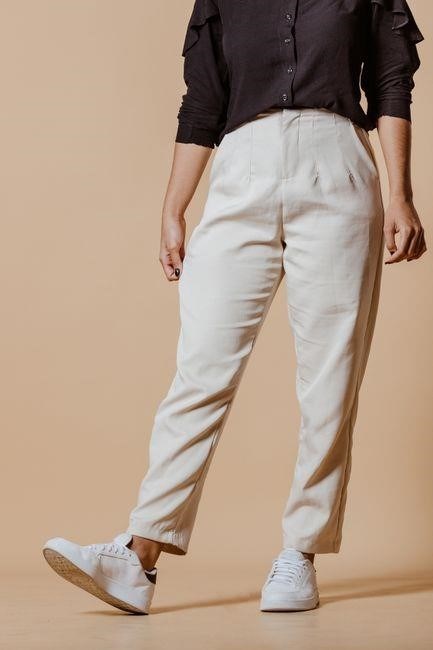
High‑waisted trousers sit above the natural waist, giving a clean, elongated silhouette that flatters most body shapes․ To determine the correct size, measure the waist just above the belly button, keeping the tape snug but not restrictive․ The centimetre reading corresponds directly to the French size number; for example, a 70 cm waist is a size 42․ Because high‑waisted cuts have a higher rise, add 1–2 cm to your measured value if you prefer a tighter fit․ Fabric choice is crucial: cotton‑blend fabrics provide a relaxed feel, while polyester‑spandex blends offer a 5 % stretch that hugs the waist comfortably․ Look for a stretch percentage of at least 5 % to ensure the trousers move with you․ Many brands label high‑waisted styles with a “W” for waist and an “L” for length, such as W32/L34, indicating a waist and length measurement; however, the waist measurement remains the key determinant․ When shopping online, consult the brand’s specific high‑waisted chart, as some manufacturers use a slightly higher waist cut to accommodate a more fitted look․ If you’re unsure, choose a size up and rely on the stretch to adjust to your shape․ Always try on the pair in the evening, as fabrics can settle over time, ensuring the waist stays true to size․ The rise of high‑waisted trousers can vary from mid‑rise to high‑rise․ A mid‑rise sits at the natural waist, offering a modest lift, while a high‑rise sits above the belly button, providing extra coverage and support․ Choose the rise that best complements your torso length and desired silhouette feel confident․!!!
Fabric and Stretch Considerations
When selecting a pair of women’s pants, can affect how a French size translates into real comfort․ Lightweight cotton blends with a small percentage of elastane provide a relaxed fit that still holds shape, whereas heavier denim with minimal stretch will require a slightly larger waist size to accommodate movement․ Many French brands label their jeans as “W” for waist and “L” for inseam, but the actual fit can vary by material․ For example, a 32W/34L pair in a 100% cotton denim may feel tight at the hips, whereas the same numeric size in a 95% cotton/5% elastane blend will offer a more forgiving stretch․ It is advisable to check the product description for stretch content; a 2–3% elastane content usually gives enough give for everyday wear․ If you prefer a high‑waisted style, fabrics with higher stretch will prevent the waistband from digging into the skin․ Conversely, for a low‑waisted or cropped cut, a fabric with less stretch will keep the cut crisp․ Always compare the measured waist and inseam in centimeters with the listed size, then adjust for the stretch factor․ A common rule of thumb is to add 1–2 cm to the waist measurement if the fabric contains 5% elastane or more․ This approach ensures that the chosen size will fit comfortably across different brands and styles․
Also, check for a “stretch” tag; terms like “elastic” or “spandex” indicate added give․ Customer reviews mentioning “tight” or “roomy” help gauge if the size runs true or needs adjustment for your body type now!!!․

Using Online Size Charts Effectively

When shopping for women’s pants online, the first step is to locate the brand’s dedicated size chart․ Most retailers will list the French size (36–54) alongside the waist in centimeters and the inseam in centimeters․ Because the French system is purely numeric, you can convert it to inches by multiplying the waist by 2․54․ For example, a 42 (≈70 cm waist) is roughly 27․5 inches, which aligns with a US size 6 or 8 depending on the cut․ Always cross‑reference the inseam: a 42 with a 84 cm inseam (≈33 inches) fits a standard 32‑inch inseam in the US․ If the chart offers a “fit” column (e․g․, regular, slim, relaxed), choose the one that matches your body shape and the intended style․ Don’t rely solely on the numeric size; read the fit description and any customer reviews that mention fit․ Many sites provide a “try‑before‑buy” option or a virtual fitting room; use these tools to confirm that the waist and hip measurements match your own․ Finally, remember that different brands may shift by a half size, so if you’re between 36 and 38, lean toward the larger number for a looser fit or the smaller for a tighter cut․ By systematically comparing your measurements to the chart, noting the fit type, and testing the virtual tools, you’ll dramatically reduce returns and find the perfect pair․
Check the return policy before ordering; a generous window lets you try the pants at home and send them back if they don’t fit as expected․ This ensures confidence in your online purchase Thanks