The AIFD Guide to Floral Design: A Comprehensive Plan
On September 24th‚ florists can attend a presentation at Tyler Rose Garden Center‚ enjoying an elegant tea alongside insightful floral design guidance.
The American Institute of Floral Designers (AIFD) stands as the beacon of professionalism within the floral industry‚ representing a commitment to artistry‚ innovation‚ and ethical practice. This guide‚ rooted in AIFD standards‚ explores the foundational principles that elevate floral design beyond mere arrangement. Understanding AIFD’s core values is crucial for any aspiring or practicing designer.
Floral design‚ at its heart‚ is a visual language. It’s about communicating emotion‚ celebrating life’s moments‚ and transforming spaces. The principles we’ll delve into – line‚ form‚ space‚ balance‚ proportion‚ rhythm‚ harmony‚ and unity – are the grammar and syntax of this language. Events like the presentation at Tyler Rose Garden Center‚ combining design with experiences like afternoon tea‚ demonstrate the power of floral artistry to enhance overall ambiance and create memorable occasions. Mastering these principles allows designers to craft impactful and aesthetically pleasing compositions.
II. The AIFD Certification Process
Achieving AIFD certification signifies a dedication to the highest standards of floral design. The process is rigorous‚ designed to assess not only technical skills but also creative vision and a thorough understanding of design principles. Candidates must demonstrate proficiency through a comprehensive portfolio review and a challenging practical examination. This evaluation mirrors the artistry showcased at events like the floral design presentation held at Tyler Rose Garden Center;
The AIFD certification isn’t simply a credential; it’s an investment in one’s professional development. It requires ongoing education and a commitment to staying current with industry trends. Successful candidates gain recognition within the floral community‚ enhanced credibility with clients‚ and access to a network of fellow AIFD designers. The process validates expertise‚ ensuring designers possess the skills to create exceptional floral experiences‚ much like the curated elegance of Mad Hatters Elegant Tea.
III. Core Design Elements
Mastering core design elements is fundamental to AIFD-level floral artistry. These elements – line‚ form‚ and space – are the building blocks of any successful arrangement‚ influencing visual impact and emotional response. Line establishes visual flow‚ guiding the eye through the composition‚ while form defines the overall shape and structure. Consider the interplay of these elements‚ much like the carefully curated aesthetic presented at the Tyler Rose Garden Center’s floral event.
Effective use of space‚ both positive and negative‚ adds depth and balance. Understanding how these elements interact is crucial‚ allowing designers to create harmonious and compelling designs. AIFD training emphasizes a holistic approach‚ encouraging designers to explore innovative combinations and push creative boundaries. These principles are essential for crafting arrangements as refined and elegant as those served alongside Mad Hatters Elegant Tea.
A. Line: Creating Visual Flow
Line in floral design dictates the viewer’s eye movement‚ establishing a visual pathway through the arrangement. AIFD emphasizes utilizing line to convey emotion and create a desired aesthetic – whether dynamic and energetic or calm and serene. Consider the types of lines: curved‚ straight‚ angular‚ and their impact on the overall composition. The presentation at Tyler Rose Garden Center likely showcased masterful line work‚ guiding attendees’ attention to focal points.
Effective line creation involves stem placement‚ branch selection‚ and the careful manipulation of floral materials. Line can be implied or actual‚ offering designers versatility in their approach. A strong understanding of line is paramount for achieving visual flow and balance‚ mirroring the curated elegance of events like Mad Hatters Elegant Tea. AIFD training hones this skill‚ enabling designers to craft captivating and harmonious arrangements.
B. Form: Shape and Structure in Arrangements
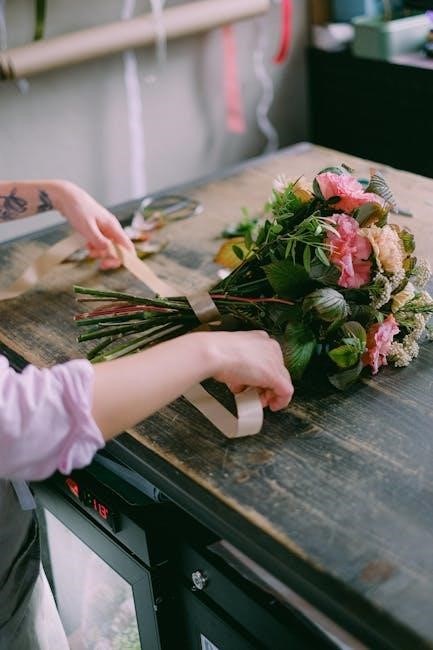
Form in floral design refers to the three-dimensional shape and overall structure of an arrangement. AIFD designers meticulously consider form to create impactful visual statements. Common forms include symmetrical‚ asymmetrical‚ triangular‚ and oval – each evoking a distinct feeling. The Tyler Rose Garden Center presentation undoubtedly explored diverse forms‚ demonstrating how shape influences perception.
Achieving strong form requires a solid understanding of construction techniques and material compatibility. Form provides the framework for showcasing floral materials‚ enhancing their beauty and creating a cohesive design. Like the curated boxes offered at Mad Hatters Elegant Tea‚ a well-defined form provides structure and containment; AIFD education emphasizes the importance of form in establishing visual hierarchy and conveying the designer’s intent‚ resulting in balanced and aesthetically pleasing compositions.
C. Space: Positive and Negative Space Utilization

Effective use of space is crucial in AIFD floral design‚ encompassing both positive – occupied by floral materials – and negative space – the empty areas around and within the arrangement. The presentation at Tyler Rose Garden Center likely touched upon this balance‚ demonstrating how strategic emptiness can enhance visual impact. Negative space isn’t simply ‘empty’; it allows the eye to rest‚ highlights focal points‚ and contributes to the overall composition.
AIFD designers skillfully manipulate space to create depth‚ movement‚ and a sense of airiness. Consider the curated tea boxes – the arrangement of items within the box‚ and the space around them‚ contribute to the overall elegance. Mastering this principle requires a keen eye for proportion and a thoughtful approach to material placement. Proper space utilization prevents arrangements from appearing cluttered or overwhelming‚ resulting in harmonious and visually captivating designs.
IV. Principles of Design
AIFD-certified designers deeply understand the principles governing impactful floral arrangements. These aren’t rigid rules‚ but rather guidelines for creating visually pleasing and emotionally resonant designs. The upcoming presentation at Tyler Rose Garden Center‚ coupled with the “Mad Hatters Elegant Tea‚” likely illustrates these principles in action – consider how the curated boxes achieve visual harmony. Key principles include balance‚ ensuring stability; proportion and scale‚ creating harmonious relationships between elements; rhythm‚ guiding the eye; and harmony/unity‚ achieving a cohesive aesthetic.
Applying these principles elevates a simple gathering of flowers into a work of art. AIFD training emphasizes not just what to design‚ but why certain choices work‚ fostering a critical and artistic approach. Successful designs seamlessly integrate these principles‚ resulting in arrangements that are both beautiful and meaningful.
A. Balance: Achieving Visual Stability
Balance in floral design‚ a core tenet for AIFD-certified professionals‚ isn’t about perfect symmetry‚ but rather visual equilibrium. It’s the feeling of stability and harmony within an arrangement. Think of the “Mad Hatters Elegant Tea” – the curated boxes likely demonstrate balanced presentation‚ with elements distributed to avoid a lopsided or unstable appearance. There are three main types: symmetrical (mirror image)‚ asymmetrical (achieved through varying elements)‚ and radial (emanating from a central point).
AIFD training stresses understanding how color‚ texture‚ and form contribute to balance. Heavier visual weights (darker colors‚ larger blooms) require counterbalancing with lighter elements. Mastering balance prevents arrangements from feeling top-heavy or unstable‚ creating a pleasing and professional aesthetic.
B. Proportion & Scale: Harmonious Relationships
Proportion and scale‚ vital components of AIFD floral design‚ dictate the relationship between the arrangement’s elements and its container‚ as well as the overall size relative to its surroundings. Consider the Tyler Rose Garden Center event – the floral displays will be proportionally sized to the space and the delicate “Elegant Tea” service. A common guideline is the “rule of thirds‚” where the height or width of the arrangement is roughly 1.5 to 2 times the height of the container.
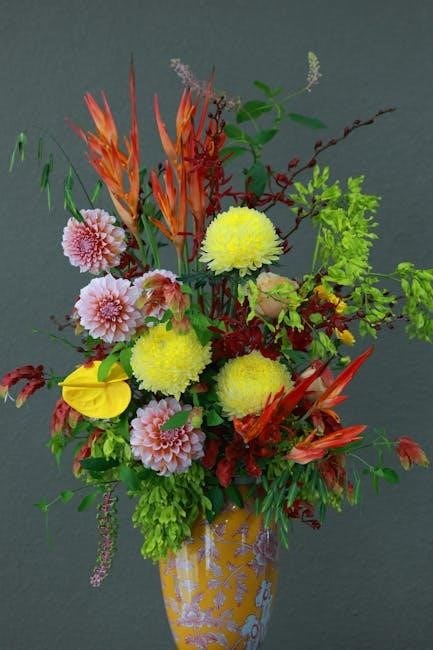
AIFD designers learn to manipulate scale to create impact. Large-scale arrangements command attention‚ while smaller‚ more intimate designs offer subtlety. Achieving harmonious relationships ensures a visually pleasing and balanced composition‚ avoiding a cluttered or underwhelming effect.
C. Rhythm: Creating Movement and Interest
Rhythm in AIFD floral design isn’t about literal motion‚ but a visual tempo achieved through repetition‚ gradation‚ and contrast. Think of the curated boxes at the Mad Hatters Elegant Tea – a repeating motif or color scheme could establish rhythm. AIFD certified designers skillfully employ these techniques to guide the viewer’s eye through the arrangement.
Repetition of colors‚ forms‚ or textures creates a predictable‚ calming rhythm. Gradation‚ a gradual change in size or color‚ offers a smoother flow. Contrast‚ using opposing elements‚ introduces excitement and visual interest. Mastering rhythm prevents a static design‚ transforming it into a dynamic and engaging experience‚ much like a well-composed piece of music.
D. Harmony & Unity: Cohesive Design Aesthetics
AIFD emphasizes that harmony and unity are paramount in successful floral design. It’s about all elements working together‚ creating a sense of completeness. Consider the Mad Hatters Elegant Tea event; the curated boxes likely demonstrate harmony through a consistent theme and color palette. This principle extends to floral arrangements‚ where color‚ texture‚ form‚ and space must coalesce.
Achieving unity requires careful selection of materials and a clear design concept. Avoid clashing elements or competing focal points. A cohesive design feels balanced and intentional‚ evoking a specific mood or message. AIFD certified designers understand that true artistry lies in seamlessly blending diverse components into a harmonious whole‚ captivating the viewer’s attention.
V. Floral Materials: A Deep Dive
AIFD education stresses a thorough understanding of floral materials‚ moving beyond simply knowing flower names. Designers must grasp classifications – roses‚ like those at the Tyler Rose Garden Center‚ fall into specific categories impacting vase life and design suitability. Characteristics like stem length‚ bloom size‚ and color intensity are crucial considerations.
Foliage isn’t merely supportive; it adds texture‚ depth‚ and visual interest. Fillers and accessories‚ potentially featured in the Mad Hatters Elegant Tea’s curated boxes‚ enhance the overall aesthetic. AIFD training emphasizes responsible sourcing and proper handling to maximize material longevity and minimize waste‚ ensuring both beautiful designs and sustainable practices.
A. Flowers: Classification & Characteristics
AIFD certification demands a detailed knowledge of flower classifications – from the traditional rose families showcased at the Tyler Rose Garden Center‚ to more exotic blooms. Understanding botanical families informs design choices and predicts longevity. Characteristics like petal form‚ color variations‚ and stem structure are paramount.
Designers learn to assess bloom maturity‚ recognizing stages from bud to full open. This impacts arrangement style and vase life. The Mad Hatters Elegant Tea might feature specific floral varieties; an AIFD designer understands how each contributes to the overall aesthetic. Proper identification allows for informed selection and skillful integration into cohesive designs.
B. Foliage: Textural and Supportive Elements
AIFD-certified designers recognize foliage as far more than just “filler.” It provides essential texture‚ depth‚ and structural support‚ mirroring the lush environment of the Tyler Rose Garden Center. Understanding leaf shapes‚ colors‚ and durability is crucial. Foliage choices impact a design’s overall harmony and visual weight.
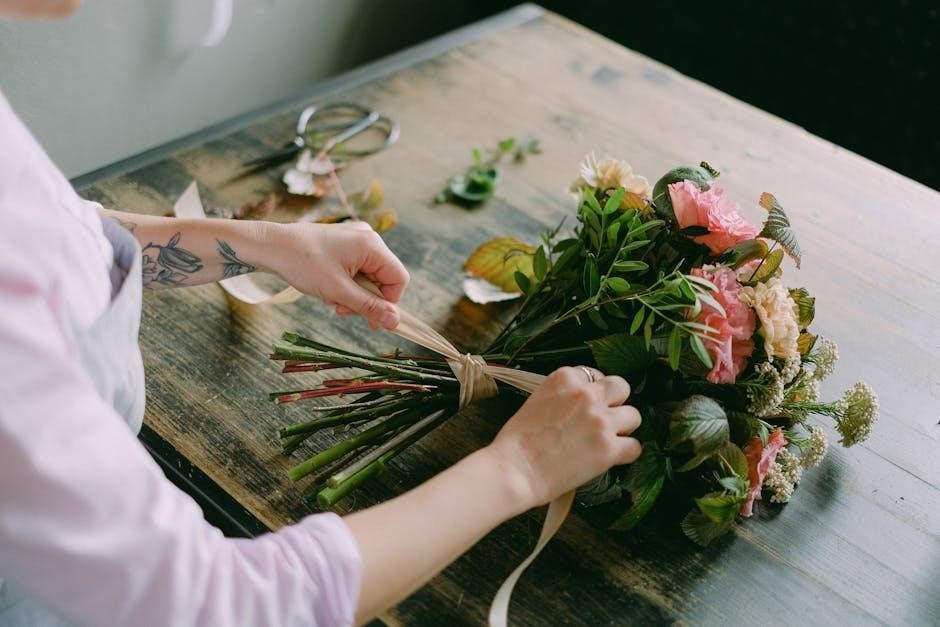
Consider how different foliage types complement floral varieties‚ perhaps echoing the elegance of an Elegant Tea setting. Mastering techniques like layering and cascading foliage creates dynamic arrangements. AIFD training emphasizes sustainable sourcing and proper conditioning to maximize foliage longevity and minimize waste‚ enhancing both beauty and responsibility.
C. Fillers & Accessories: Enhancing the Design
AIFD designers skillfully employ fillers and accessories to elevate arrangements beyond the blooms themselves‚ much like curated boxes enhance the Mad Hatters Elegant Tea experience. These elements add texture‚ color nuance‚ and visual interest‚ completing the overall aesthetic. Think beyond traditional baby’s breath – explore unique seed pods‚ berries‚ or decorative branches.
Accessories‚ such as ribbons or small decorative objects‚ should complement‚ not compete with‚ the floral design. AIFD certification stresses thoughtful integration; every element must serve a purpose. Mastering the art of subtle enhancement allows designers to create truly memorable and impactful floral presentations‚ mirroring the refined atmosphere of the Tyler Rose Garden Center.
VI. Design Styles & Techniques
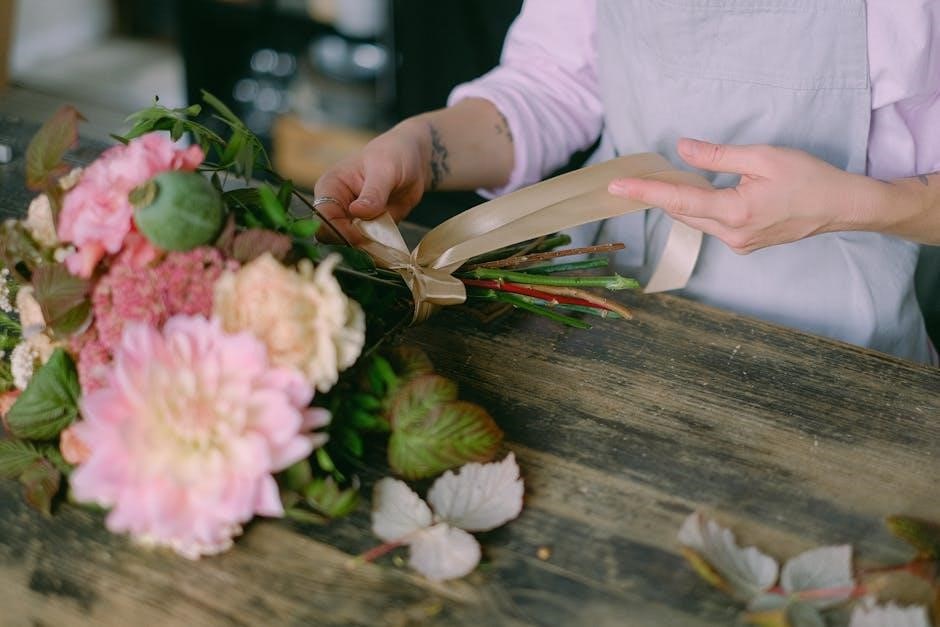
AIFD-certified designers demonstrate proficiency across a spectrum of styles‚ from classic Western arrangements – encompassing both the romantic Garden Style and formal Traditional approaches – to the disciplined artistry of Japanese Ikebana. Understanding these foundational techniques is crucial. Contemporary and Modern floral design pushes boundaries‚ embracing innovative materials and abstract forms.
The Tyler Rose Garden Center event‚ featuring an Elegant Tea‚ exemplifies curated aesthetics. AIFD training emphasizes adapting techniques to client needs and occasions. Mastering diverse styles allows designers to translate visions into reality‚ creating arrangements that are both visually stunning and conceptually meaningful‚ reflecting a deep understanding of design principles.
A. Western Floral Design (Garden Style‚ Traditional)
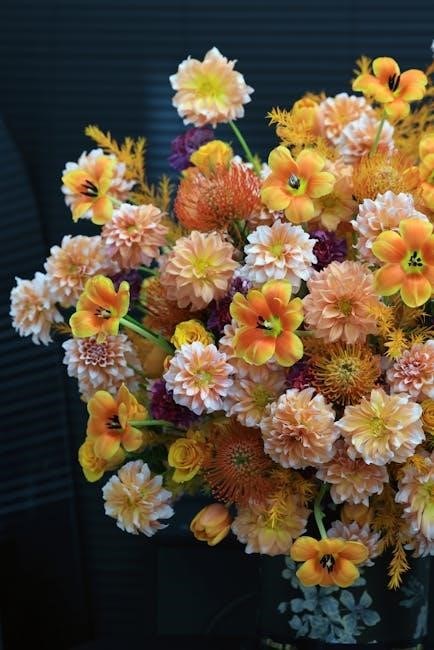
Western floral design‚ a cornerstone of AIFD education‚ branches into distinct styles. The Garden Style evokes natural beauty‚ mimicking overflowing blooms and textures as if freshly gathered. Arrangements feel unrestrained and romantic‚ prioritizing a lush‚ informal aesthetic. Conversely‚ Traditional design emphasizes symmetry‚ formality‚ and established rules of proportion.
Events like the Elegant Tea at the Tyler Rose Garden Center often showcase refined Western arrangements. AIFD designers expertly balance these approaches‚ understanding when to embrace wildness and when to employ structured elegance. Mastering both allows for versatile design solutions‚ catering to diverse client preferences and event themes.
B. Japanese Ikebana: Principles & Practice
Ikebana‚ the Japanese art of flower arrangement‚ presents a fascinating contrast to Western styles within the AIFD curriculum. It’s not merely floral decoration‚ but a disciplined art form rooted in philosophy and symbolism. Key principles include minimalism‚ asymmetry‚ and the use of negative space – ma – to create harmony.
Unlike the abundance of Garden Style arrangements‚ Ikebana focuses on revealing the inherent beauty of each stem and branch. While the Tyler Rose Garden Center event highlights Western techniques‚ AIFD emphasizes understanding diverse traditions. Studying Ikebana cultivates a deeper appreciation for line‚ form‚ and the expressive power of floral materials‚ broadening a designer’s artistic vocabulary.
C. Contemporary & Modern Floral Design
AIFD-certified designers are expected to demonstrate proficiency in contemporary and modern floral aesthetics‚ moving beyond traditional forms. This involves experimentation with unconventional materials‚ sculptural arrangements‚ and a focus on conceptual expression. The Tyler Rose Garden Center’s presentation‚ while leaning towards elegance‚ can inspire innovative approaches.
Modern design often rejects symmetry in favor of dynamic asymmetry‚ embracing bold color palettes and unexpected textures. AIFD training encourages designers to push boundaries‚ incorporating elements from art‚ architecture‚ and fashion. Understanding principles like minimalism and negative space‚ also vital in Ikebana‚ informs this style. Ultimately‚ contemporary floral design reflects a designer’s unique vision and artistic voice.
VII. Tools & Equipment for Floral Designers
AIFD-certified floral designers require a comprehensive toolkit extending beyond basic knives and shears. Essential equipment includes specialized floral foam‚ various wire gauges for support and construction‚ and waterproof tapes for stem preparation. Precision tools like floral pliers and wire cutters are crucial for intricate work.
Beyond cutting and securing‚ designers need vessels of diverse shapes and materials‚ alongside adhesives and potentially power tools for larger installations. The presentation at the Tyler Rose Garden Center‚ likely showcasing refined arrangements‚ necessitates tools for delicate handling. Maintaining tool hygiene is paramount‚ preventing disease transmission to flowers. Proper storage and sharpening ensure longevity and safety‚ reflecting a professional standard expected by AIFD.
VIII. Care & Handling of Cut Flowers
AIFD standards emphasize maximizing vase life through meticulous care. Upon arrival‚ flowers require immediate hydration – recutting stems at an angle under water prevents air embolism. Utilizing floral preservatives‚ containing sugar and biocides‚ nourishes blooms and inhibits bacterial growth. Temperature control is vital; cool environments significantly extend freshness.
Proper handling minimizes bruising and damage‚ crucial for presentation-quality arrangements like those potentially demonstrated at the Tyler Rose Garden Center event. Regular water changes and removal of spent foliage maintain water quality. Understanding specific flower needs – some benefit from ethylene inhibitors – is key. AIFD-certified designers prioritize these techniques‚ ensuring longevity and upholding professional standards.

IX. The Business of Floral Design (AIFD Perspective)
AIFD certification signals a commitment to professional excellence‚ enhancing business credibility. Successful floral businesses require strong design skills‚ but also astute financial management and marketing savvy. Events like the presentation at the Tyler Rose Garden Center offer networking opportunities and potential client acquisition.

AIFD members benefit from resources promoting best practices in pricing‚ inventory control‚ and customer service. Building a strong brand identity and utilizing social media are crucial for reaching a wider audience. Understanding market trends and offering unique‚ high-quality designs – perhaps inspired by elegant tea services – differentiates a business. Continuous education‚ a hallmark of AIFD‚ ensures sustained success.